From aged graviera to ancient pottery villages, discover the living craft and food traditions found along Crete's northern coast.

It passes between people at kitchen tables, in the back rooms of small workshops, through the hands of potters and weavers and cheesemakers who learned by watching someone older do the same thing. The island has been producing things this way for a very long time, and around Heraklion and the northern coast, that continuity is still close enough to touch.
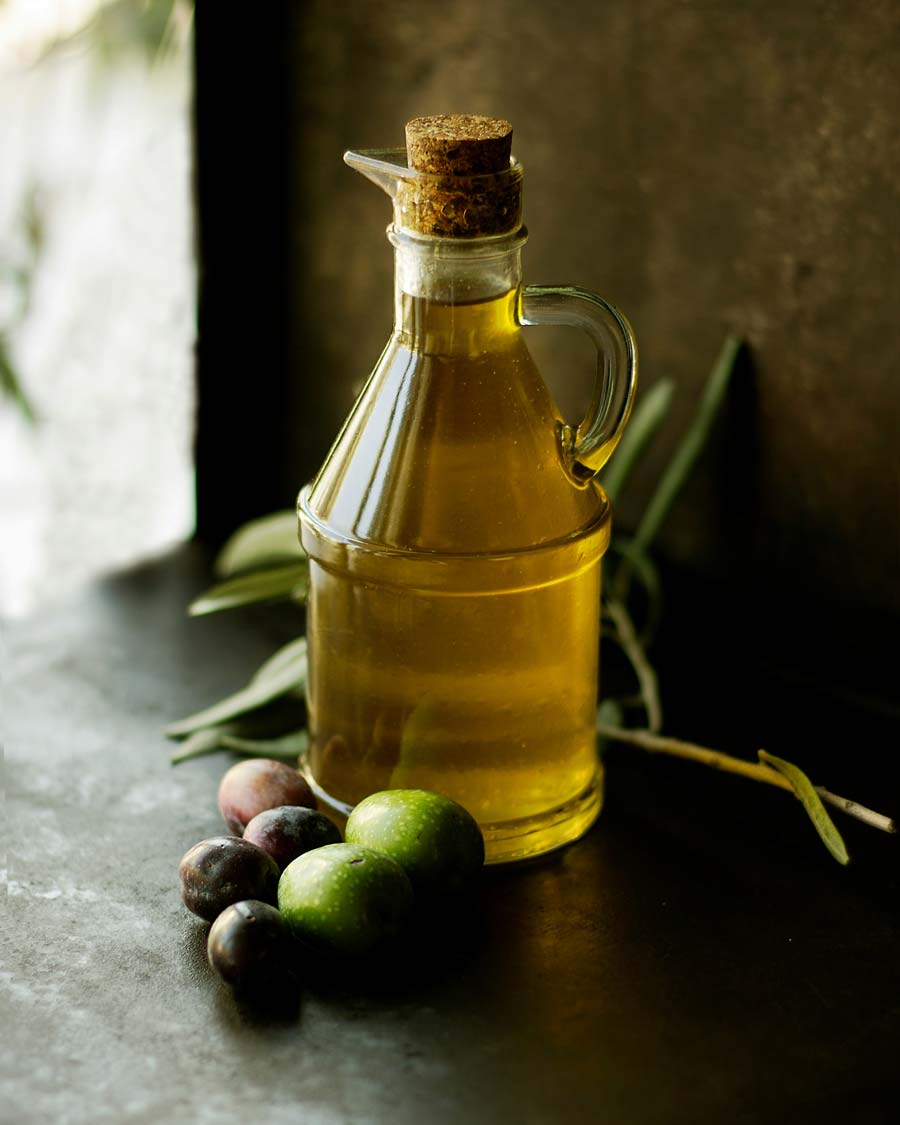
Olive oil is perhaps the most fundamental. Crete accounts for a significant share of Greece's total olive oil production, and the variety most associated with the island, the Koroneiki, yields an oil that is intensely grassy and peppery in its fresh-pressed state, softening slightly as the season progresses. The orchards around the Heraklion regional unit are dense and ancient, many of them tended by the same families for generations. Harvest runs roughly from October into January depending on altitude and variety, and the pressing happens quickly to preserve quality. A bottle bought directly from a local producer in the villages above Hersonissos, where smaller estates operate presses of their own, will taste substantially different from anything on a supermarket shelf.
Cretan cheese deserves a similar kind of attention. Graviera, the island's most celebrated variety, is an aged hard cheese with a sweet, nutty character that develops over a minimum of five months. The version made here in the Heraklion area carries a protected designation, meaning the milk, the process, and the geography are all regulated. It is typically made from sheep's milk or a blend with goat's milk, and the wheels can weigh upward of six kilograms. Then there is anthotiro, a fresh whey cheese that is mild and slightly grainy, eaten the morning it is made or very close to it. And mizithra, which exists in both fresh and aged forms and underpins much of the island's everyday cooking. Village markets around Hersonissos and the road between there and Heraklion are reliable places to find these cheeses sold by the producers themselves rather than through intermediaries.

Pottery around Heraklion traces an unbroken line back to Minoan civilisation, and though the forms have changed considerably, the impulse toward clay as a daily material has not. The village of Thrapsano, roughly halfway between Hersonissos and Heraklion, has been a centre of ceramic production for centuries. Traditionally the potters there were itinerant, travelling across Greece to sell large storage vessels, pitharia, used for olive oil and wine. Today the village still has working workshops, and the pieces produced range from functional kitchen ware to decorative work that consciously draws on Minoan motifs. Visiting rather than buying from a market stall makes a genuine difference: the workshops are open, the process is visible, and the conversation is part of the experience.
Cretan weaving has its own long history, and textile traditions around the island vary by village. The most recognisable form is the woven rug or kilim using geometric patterns in deep reds, blacks, and creams, made on upright looms that have remained largely unchanged in design. In the villages of the Heraklion hinterland, particularly in the foothills of Mount Ida to the south and west, small cooperatives and individual weavers still produce on commission and sell through local markets. These pieces are not souvenirs in any shallow sense; they are functional objects made with a material intelligence that shows in how they wear and age.
Cretan herbs deserve mention alongside the crafted goods. Wild thyme, sage, dittany, and oregano grow across the hillsides above the northern coast, and their harvest is a quiet seasonal ritual in many households. Dittany is particular to Crete and was considered a medicinal plant in antiquity; today it is most commonly drunk as a tea and sold in small bunches at markets across the region. The herb stalls at the Heraklion central market, the Agora, are worth a slow look: the range and the fragrance together constitute a kind of map of what the interior of the island smells like in summer.
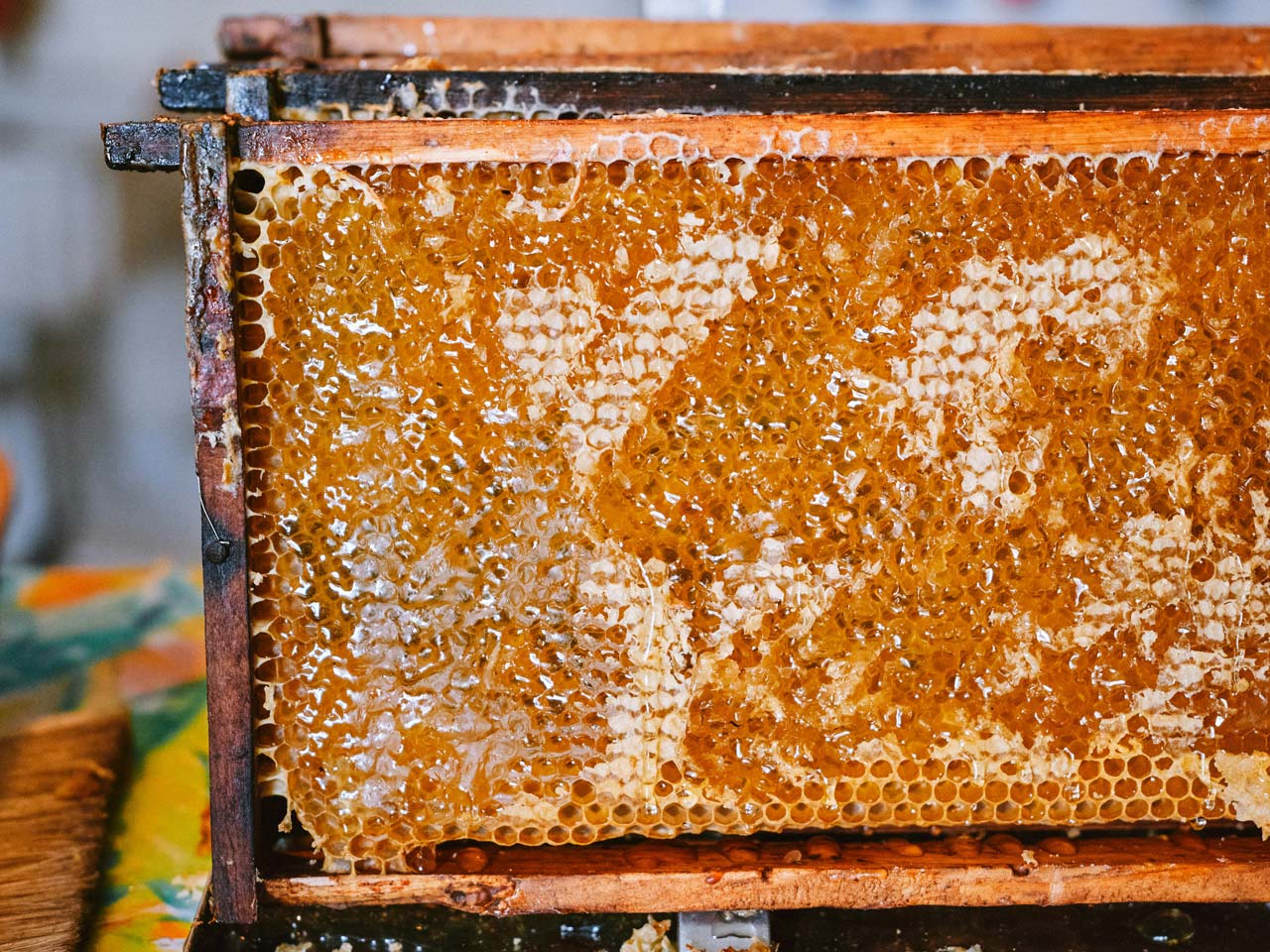
Honey follows a similar geography. Because of the diversity of wild flora across Crete's varying altitudes, the honeys produced here differ significantly from one part of the island to another. Thyme honey from the hillsides near the coast is especially prized, with a floral sharpness that is immediately distinct from the blended honeys that dominate commercial production. Small-batch producers sell at local markets and sometimes directly from the hive sites themselves; a jar bought that way is about as direct a souvenir of a particular place as it is possible to carry.
What connects all of these things is a relationship between people and materials that has been shaped by geography and time rather than by trend. Crete is not performing its traditions for visitors; it is continuing them. The best version of engaging with any of this is to slow down, to go where things are actually made, and to treat the conversation as part of the transaction.


